Village Life 1900–1950
Shops and Trades in Rüschlikon
Around 1950, Rüschlikon was characterised by a wide variety of small, specialised shops. Most everyday goods were supplied by independent craftsmen and family businesses spread throughout the village. These shops were not only places to buy necessities but also important social meeting points.
Collection: Local Museum Rüschlikon
Collection: Local Museum Rüschlikon
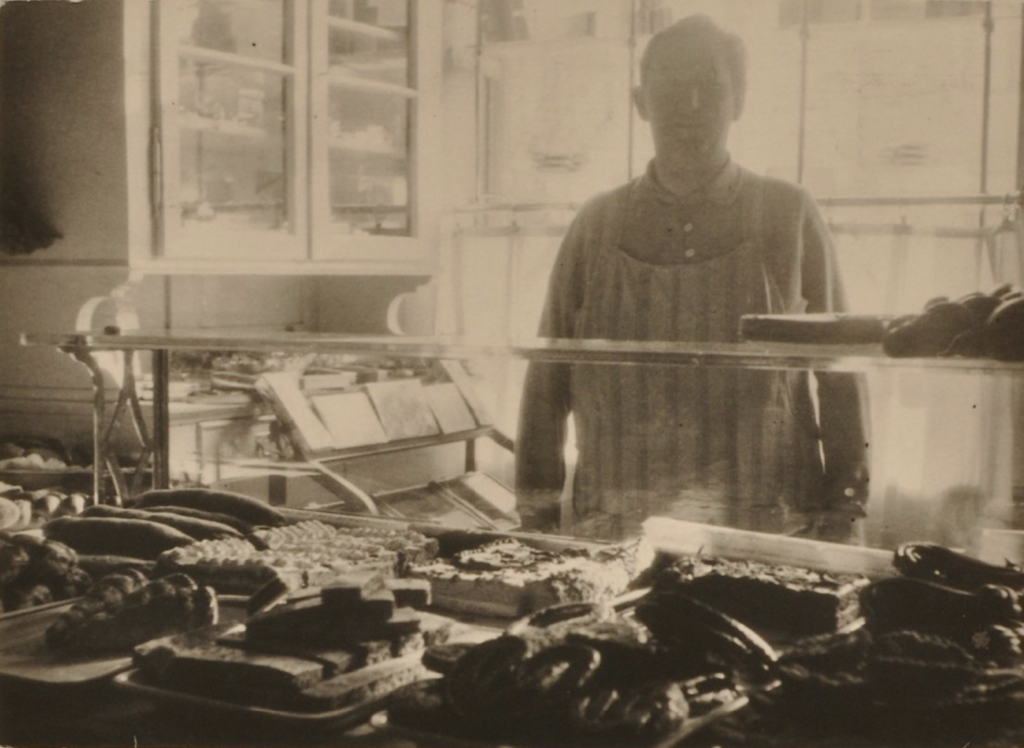
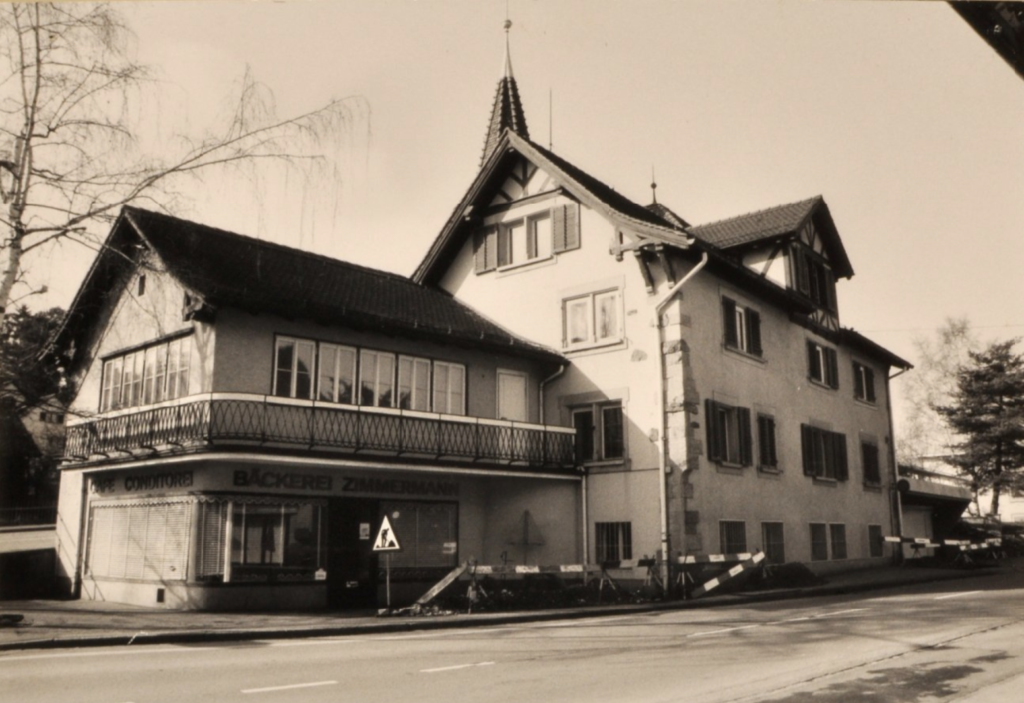
Several bakeries supplied the village with bread and pastries: Karl Zimmermann’s bakery next to the church (“Chile Beck”), Bosshard on Dorfstrasse, Karl Streuli on Dorfstrasse, Bühler on Seestrasse near the border with Thalwil, Küng on Bahnhof-Glärnischstrasse, and Studer opposite today’s Abegg-Huus.
Collection: Local Museum Rüschlikon
Collection: Local Museum Rüschlikon
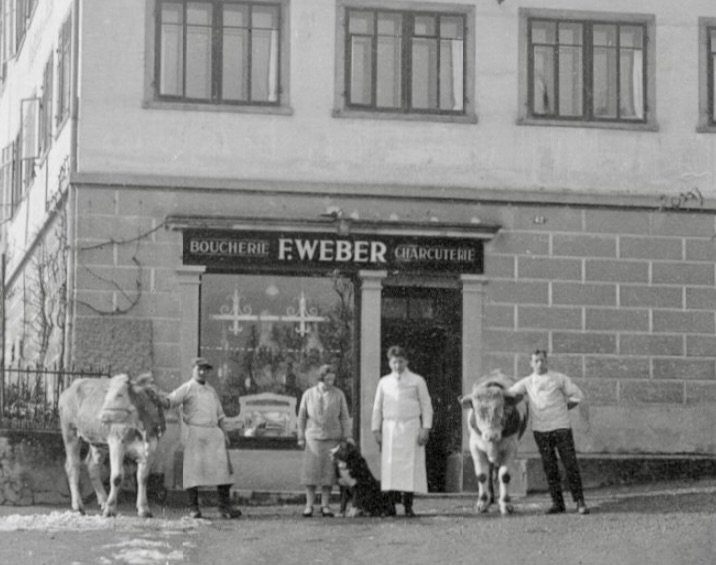
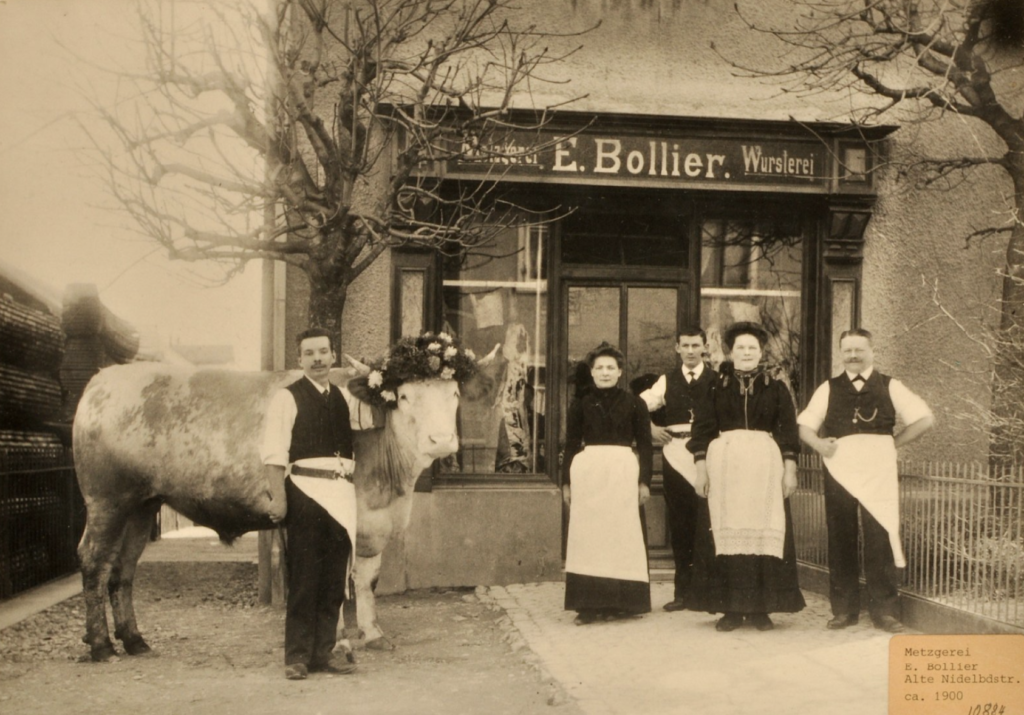
Butchers also played an important role in village life: Emil Weber’s butcher shop on Dorfstrasse at the Restaurant Rose, the Bollier butcher shop on Alte Nidelbadstrasse, and Fritz Dünki’s shop on Bahnhof-Glärnischstrasse.
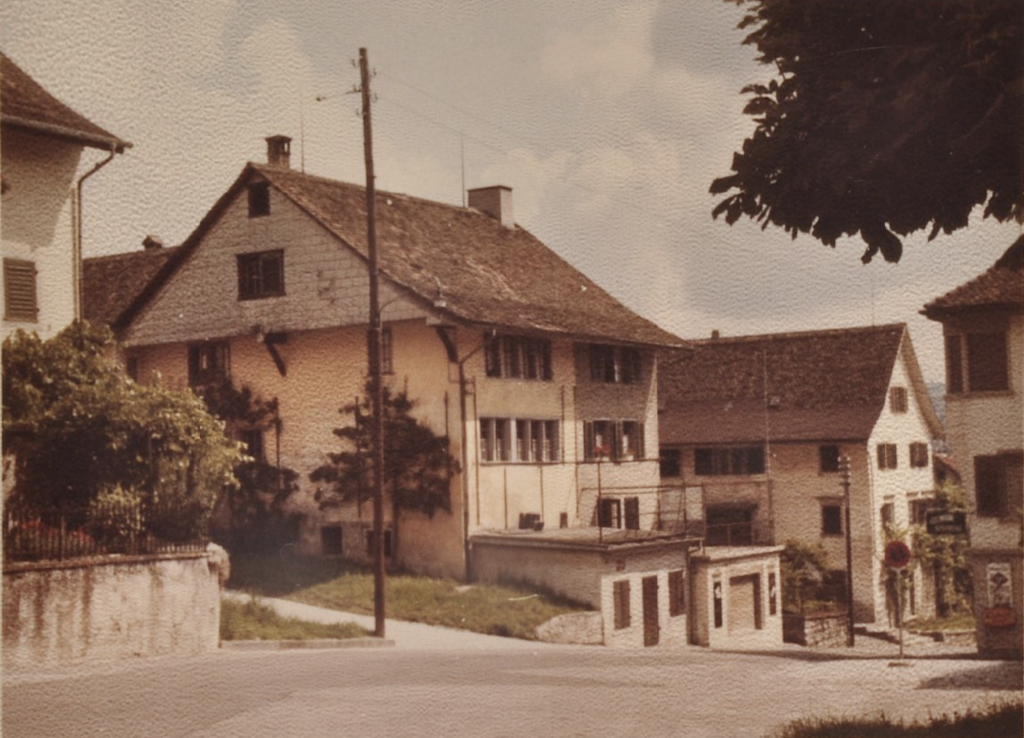
Collection: Local Museum Rüschlikon
Milk and dairy products could be bought in several dairies, including those of Keusen and Jakob Gubler on Dorfstrasse, later also Karl Gubler on Bahnhofstrasse, and the milk dealer Höhn opposite today’s Abegg-Huus. On Seestrasse, Wäspi also ran a small dairy and cheesemaking business.
Food shops such as the Thalwil Konsum next to the church and the Züri Konsum on Dorfstrasse completed the range of goods. The versatile shop run by the sisters Olga and Lina Hotz by the lake sold not only groceries but also household goods, wool, stationery, hardware, shoes, and fishing equipment. Bettio’s shop on Dorfstrasse specialised in fruit and vegetables.
Collection: Local Museum Rüschlikon
Collection: Local Museum Rüschlikon
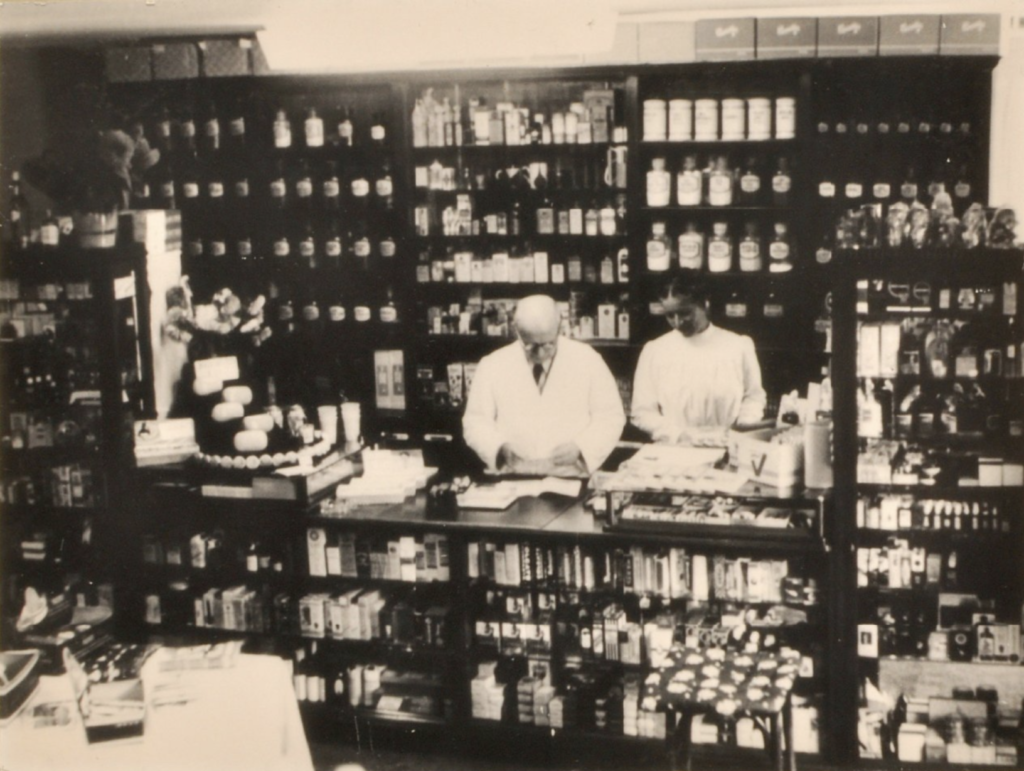
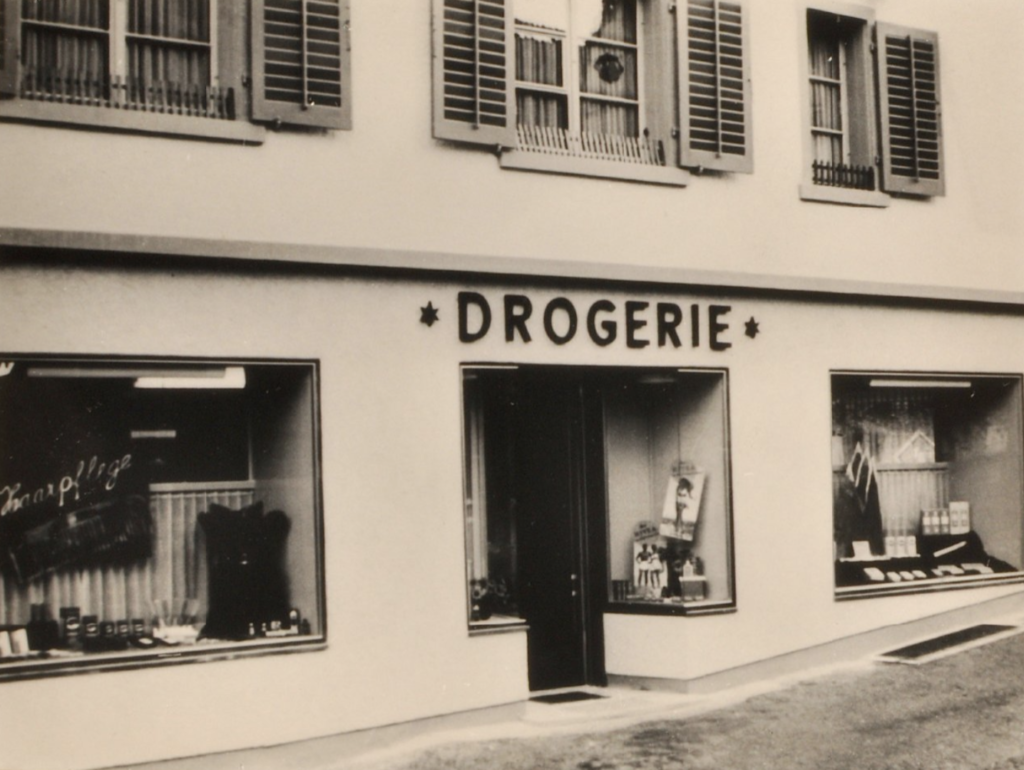
Other important businesses included the pharmacy and drugstore of Richard Alger opposite Streuli’s bakery and the well-known textile and haberdashery shop run by the Halm sisters on Dorfstrasse.
These businesses illustrate how diverse and locally organised the village’s supply of goods remained until the middle of the 20th century.
(Based on a record by Verena Schweizer-Obrist.)