Cooking Through Time
From the Wood-Fired Stove to the Electric Kitchen
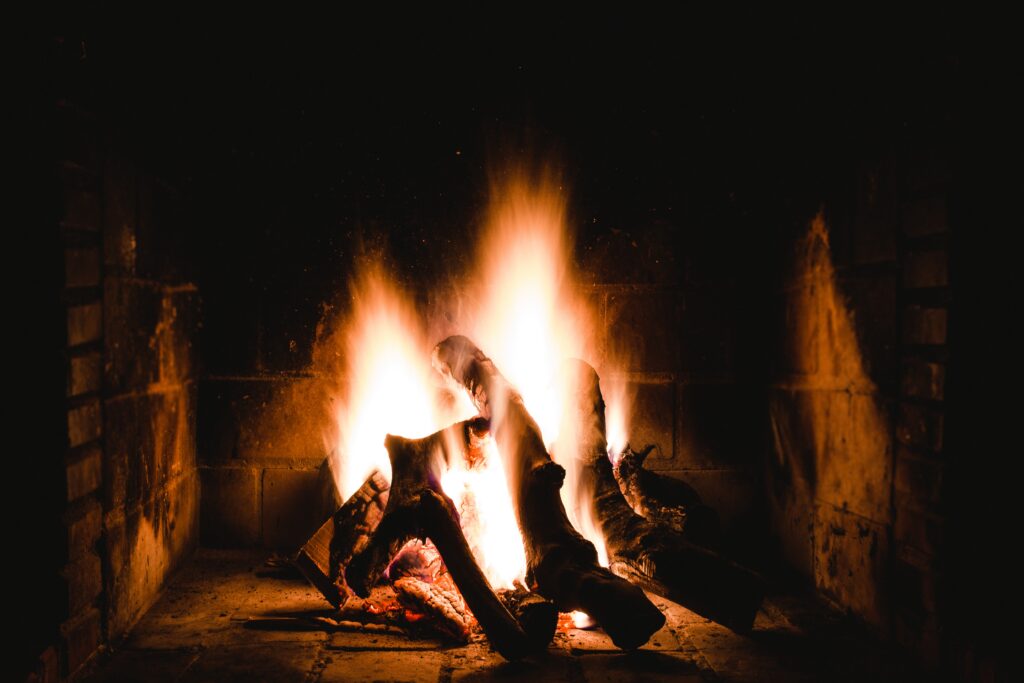
The wood-fired cooking stove was the heart of many Swiss households in the 19th and early 20th centuries. It was used not only for cooking but also for heating the kitchen and often the adjoining living room. Through a system of flues, the heat circulated around the oven and other parts of the stove. In this way, cooking and heating were combined, making the stove the technical center of the home.
Cooking at that time required physical effort and a great deal of time. Wood had to be collected, chopped, and constantly added to the fire. The embers had to be managed and ashes removed. The cast-iron cooking plate had different heat zones—hottest above the firebox and cooler toward the edges. Without thermostats, experience and attention were essential for successful cooking. Hot water was also heated in an integrated reservoir and was only available while the fire was burning.
For many women, the kitchen was a place of constant daily work. In most households they were responsible for cooking, heating, washing, and storing food. In addition to preparing meals, they carried water, washed clothes by hand, preserved food, and organized fuel supplies. In farming families, work in the fields and stables often came on top of these tasks.
With electrification in the 20th century, everyday life changed fundamentally. Electric stoves provided heat instantly and could be regulated more easily. Smoke, ash, and the need to carry wood disappeared. Appliances such as refrigerators and washing machines reduced physical labor and saved time.
The transition from the wood-fired stove to the electric stove represents more than technical progress. It also reflects a profound change in everyday life and in women’s roles within the household.